
APEX EXPO 2025: flyadeal CEO Steven Greenway on Building a New Future in Saudi Arabia
Originally published on APEX

Pictured (left to right): Flyadeal CEO Stephen Greenway; and BBC Anchor Ben Thompson. All photos via Caught in the Moment Photography
At the 2025 APEX Global Expo, BBC anchor Ben Thompson sat down with Steven Greenway, CEO at Saudi Arabia’s low-cost carrier flyadeal, to discuss the airline’s growth story and its role in Vision 2030. Greenway’s perspective on balancing operational reliability, dual-brand strategy, and social transformation highlights how flyadeal is positioning itself as a central player in the dynamic Saudi aviation market.
Defining flyadeal’s Role within the SAUDIA Group
Flyadeal was created in 2016 as a complement to SAUDIA, the Kingdom’s full-service flag carrier. SAUDIA has increasingly moved upmarket since then, leaving space for a budget-focused airline to capture the mass market. Greenway explained that the group’s strategy in this regard mirrors Qantas and Jetstar’s dual-brand model, targeting different passenger demographics with each offering.
By maintaining this balance, flyadeal helps Saudi Arabia offer a spectrum of services while defending market share against outside competitors.
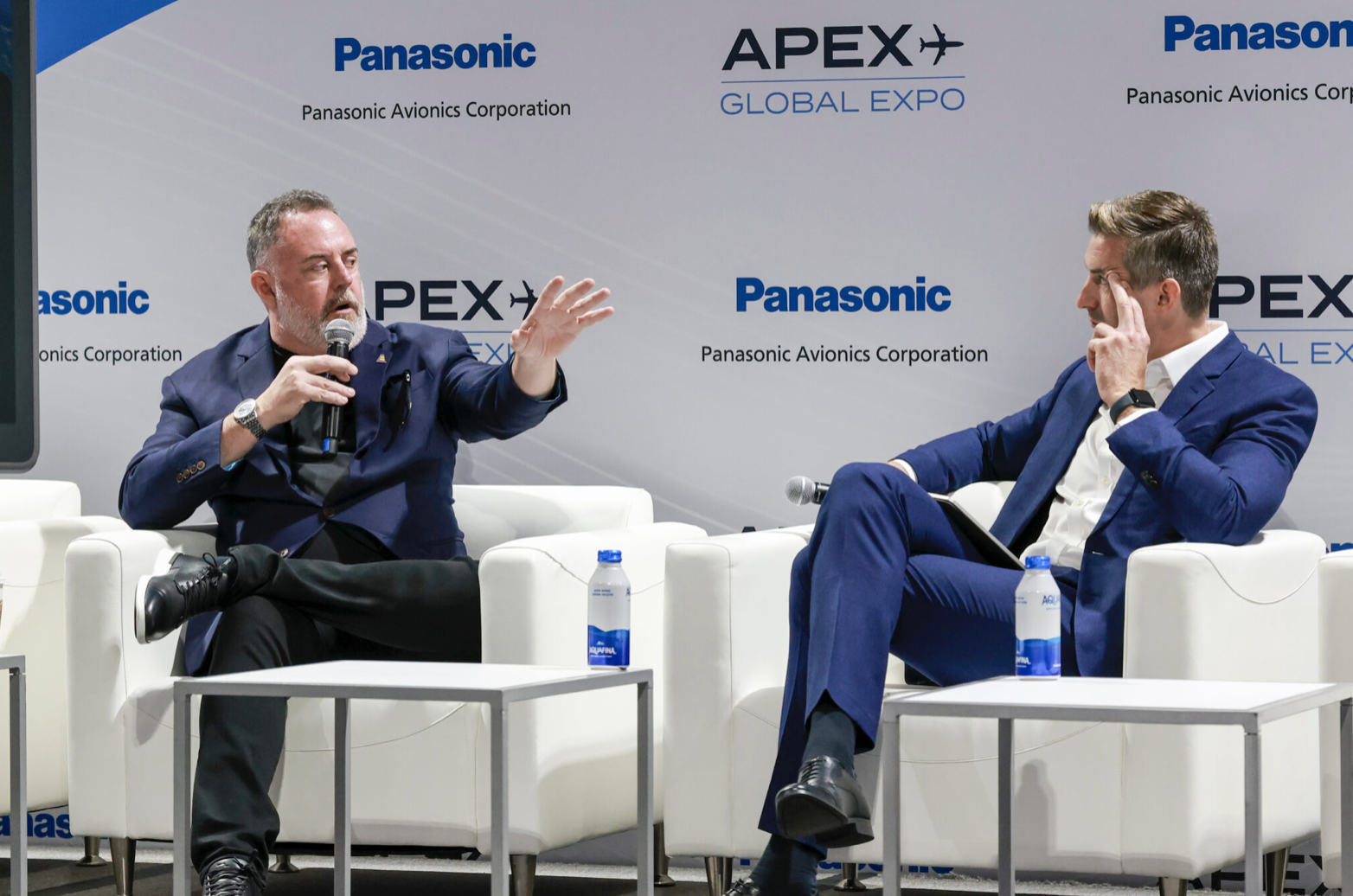
Greenway’s career has included leadership roles at Peach in Japan and Scoot in Singapore. He emphasized that running an LCC within a larger airline group requires clear separation and discipline. Greenway explained, “If you don’t set things up properly, it becomes almost like a sibling rivalry.”
Too often, low-cost subsidiaries fail because they become polluted by the DNA of the full-service carrier, he explained. Quick turns, high utilization, and a no-frills model require a completely different mindset. Flyadeal has worked to preserve that independence. It has its own board, audit committee, and systems, ensuring that the airline is not constrained by SAUDIA’s processes.
Turning Around Reliability
When Greenway took over, flyadeal’s most pressing challenge was operational performance. The airline faced significant challenges with aircraft availability and engine reliability. Limited spare parts hurt on-time performance. “The fire I ran toward was reliability,” Greenway recalled. Within six months, the airline reversed the trend and became one of the most reliable carriers in the Middle East.

Reliability goes hand in hand with customer experience. Greenway noted that passengers choosing a low-cost carrier typically look for three things: punctuality and schedule integrity, affordable fares, and a little bit of comfort on board. “If you deliver those three, your Net Promoter Score (NPS) goes through the roof, and your market share grows automatically,” he said.
Flyadeal already had modern aircraft, competitive fares, and solid onboard service. What it lacked was consistent reliability. Addressing that gap completed the foundation of the business model. Greenway explained that fixing reliability was not just an operational milestone, but the third and final pillar needed to sustain growth.
Expanding Markets and Opportunities
Flyadeal operates primarily in the domestic market, one of the largest in the Middle East region, with 35 million Saudis living in the Kingdom. “Before, flyadeal Jeddah to Riyadh was not even in the top ten in terms of the highest capacity routes in the world; it is now number three, and will probably be number one in the next one to two years.” The domestic market is a large focus for the airline and is growing 15 percent year-on-year.
Greenway described connecting Saudi cities to destinations across the Middle East as the “backyard strategy.” Recent geopolitical shifts have enabled flights to Iraq, Syria, and potentially Libya. “Two million Syrians live in the Kingdom,” Greenway explained. “For 15 years, they could not return home. Now we are launching Damascus on October 1, and demand is strong.”
These routes carry risk, as political instability can close them quickly; nevertheless, the upside is significant. Flyadeal is also preparing to support inbound tourism, religious travel, and labor migration, all of which are expanding markets aligned with Vision 2030.
Religious traffic remains one of Saudi Arabia’s defining aviation markets. Millions of Muslims travel annually for Hajj and Umrah, with new visa reforms allowing greater flexibility. “In the past, if you wanted to come to do Hajj and Umrah, you came on a restricted visa. You would have to go to Jeddah, spend three days on the ground, commute to Mecca, come back, and then leave, and it had to be through a tour operator.”
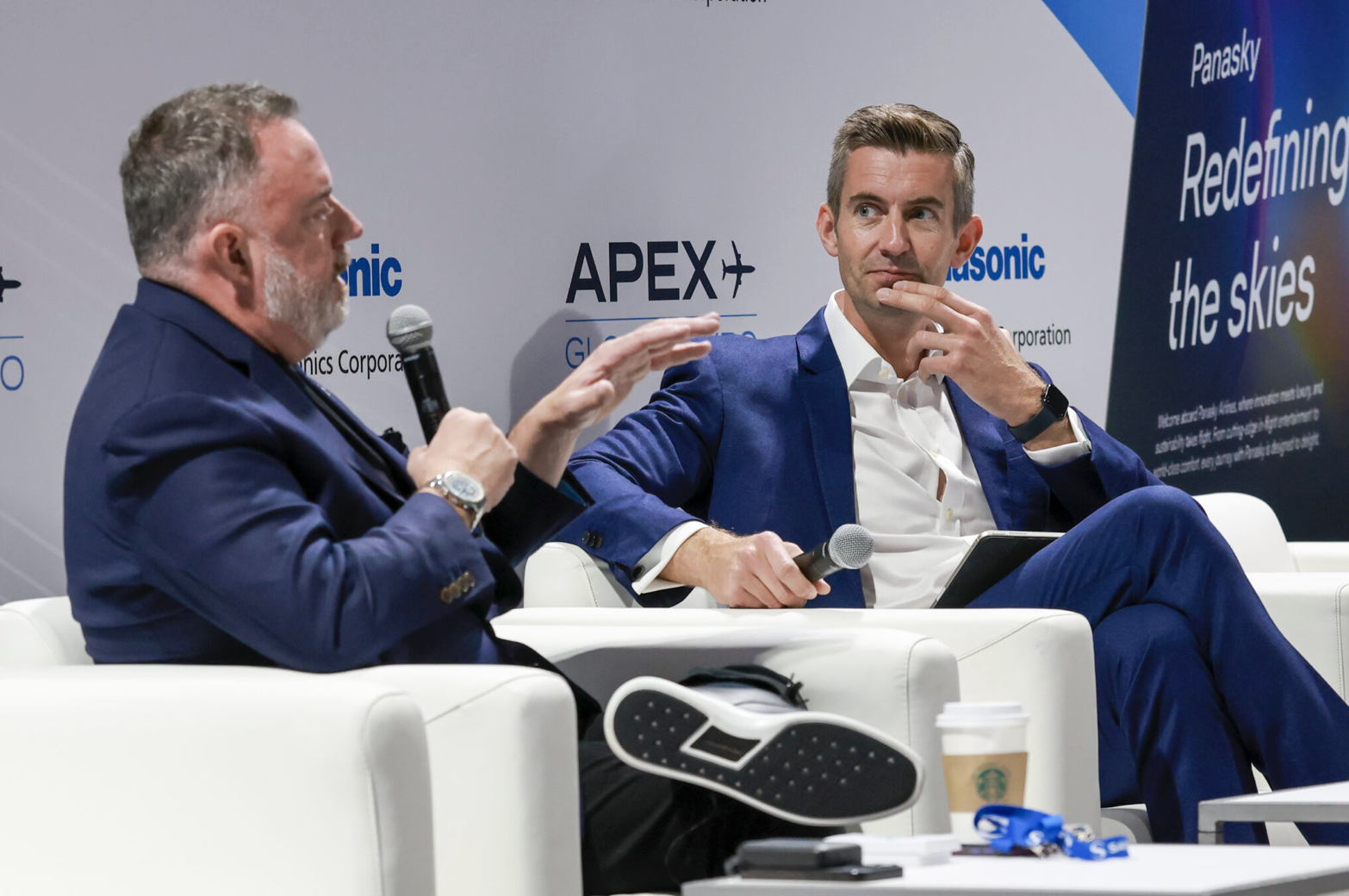
“Now it is just like a holiday visa where you can do what you want,” he explained. The new visa system allows them to travel more freely and experience more of Saudi Arabia. Pilgrims can now spend more time exploring the Kingdom, extending trips beyond Mecca to cultural destinations such as AlUla, and this creates huge demand for flyadeal.
That said, Saudi Arabia’s aviation ambitions depend heavily on infrastructure. Riyadh’s airport is undergoing redevelopment, while the massive King Salman terminal project remains years away. Until then, airlines face slot constraints and must maximize capacity through fleet choices. Flyadeal is adding Airbus A320neos with higher-density seating to meet demand without relying solely on new slots.
Beyond Aviation: Nation Building
For Greenway, leading flyadeal is more than running an airline. He described it as part of a larger social transformation. “When I say to people joining us that they are nation builders, I mean it,” he said. “We are reconstructing the social fabric, providing opportunities, and supporting economic growth.”
Leading flyadeal, Greenway noted, carries responsibilities that reach far beyond aviation. The role comes with weight, from creating opportunities for citizens to help reshape the social fabric, responsibilities that are made clear by the government and must be embraced as part of the job. “I thought I was just running an airline,” he said. “Running an airline is hard enough, but I’m very happy this is the reality, and you can see the enthusiasm it brings.”
Greenway admitted that before arriving, he shared many misconceptions about Saudi Arabia. After living and working in 14 countries, he was surprised by the warmth, energy, and ambition he found. “This is the most dynamic environment I have ever worked in,” he said. “The plan is real, the progress is tangible, and people are fully committed.”
Before accepting the job, he made two trips to Saudi Arabia, and what he witnessed convinced him to be part of the change. For Greenway, leading flyadeal carries greater weight than any other airline role he has held, because it also means engaging with broader social and national goals.
